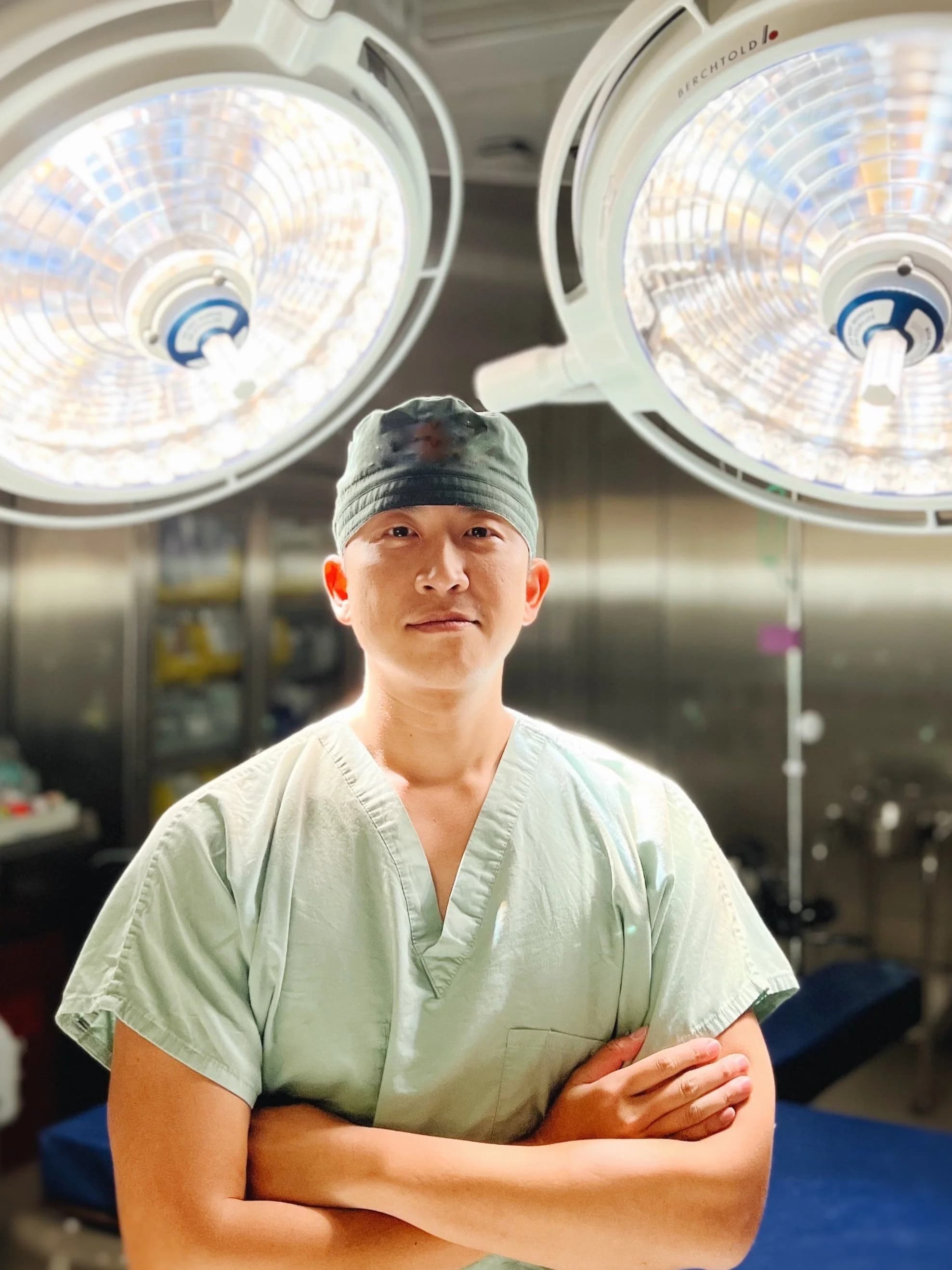
Enlarged Prostate
Enlarged Prostate (BPH)
Effective, minimally invasive treatments to improve urinary flow, relieve symptoms, and restore your quality of life.
Schedule a ConsultOverview
What is an Enlarged Prostate?
Benign Prostatic Hyperplasia (BPH) is a common condition where the prostate gland enlarges, compressing the urethra and causing urinary symptoms that affect daily life. BPH is not prostate cancer, but it is one of the most common reasons men over 50 seek urological care.
The good news: today's treatment options are more effective and less invasive than ever. From simple medication adjustments to cutting-edge procedures like Aquablation, there is a solution tailored to every man's symptoms, prostate size, and lifestyle goals.
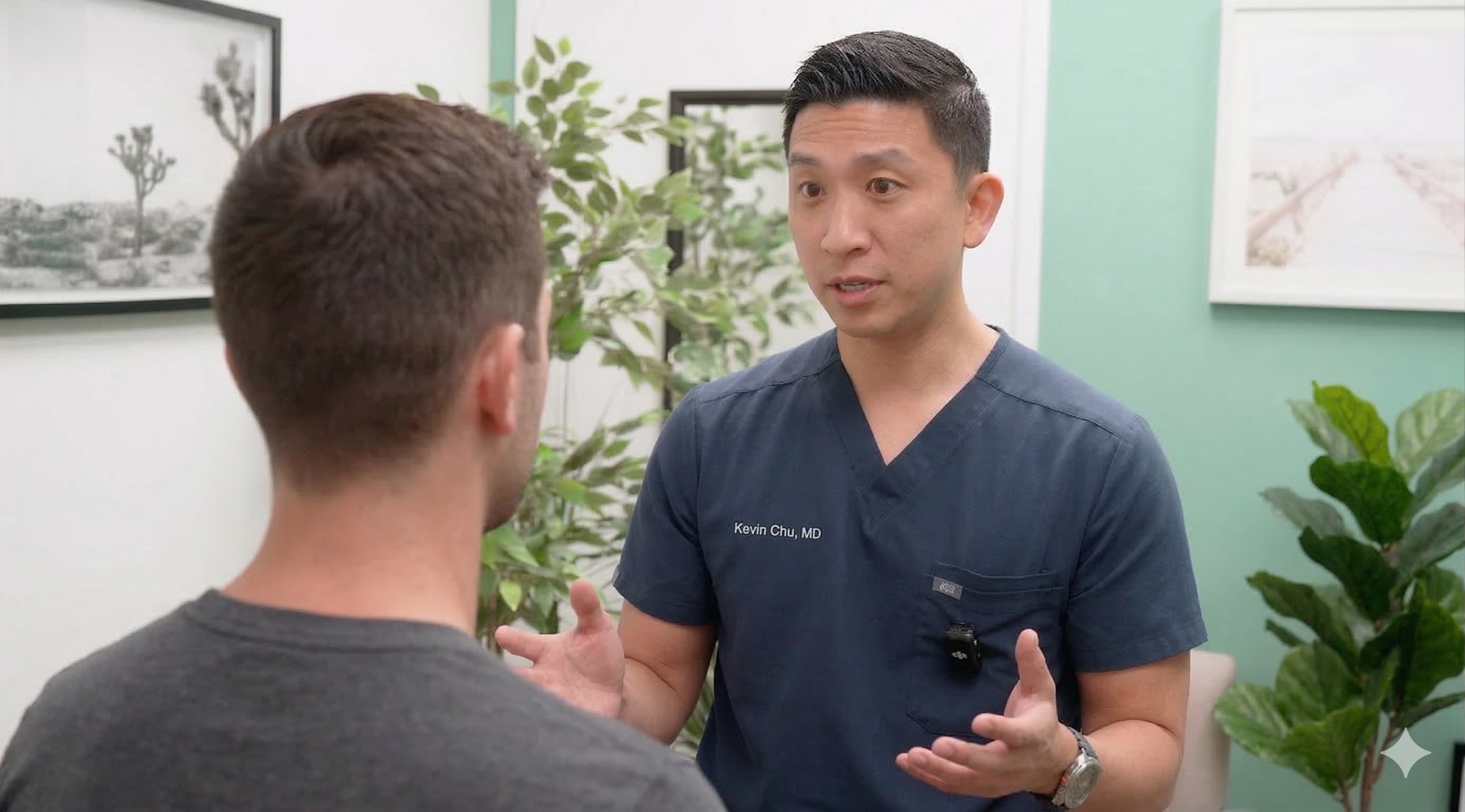
Modern Solutions for Prostate Enlargement
Symptoms
Signs of an Enlarged Prostate
- Frequent urination, especially at night (nocturia)
- Weak or interrupted urine stream
- Difficulty starting urination
- Urgency or inability to completely empty the bladder
- Urinary tract infections (UTIs) due to urine retention
Treatments
Treatment Options
Lifestyle Modifications & Medication
For mild to moderate symptoms, lifestyle changes and medications such as alpha-blockers and 5-alpha reductase inhibitors can improve urinary flow and reduce prostate size.
UroLift®
A permanent implant that lifts and holds enlarged prostate tissue away from the urethra — improving urine flow without cutting or removing tissue. Preserves sexual function.
Aquablation Therapy
A robotic, heat-free, high-precision water-based therapy that removes prostate tissue under real-time imaging guidance while preserving sexual function and urinary control.
TURP (Transurethral Resection of the Prostate)
The gold-standard surgical procedure that removes excess prostate tissue to restore urinary function. Highly effective for moderate to severe BPH.
Candidacy
Who Should Consider Surgical Treatment?
- Men experiencing moderate to severe urinary symptoms impacting daily life
- Patients who have not responded to medications
- Patients who do not wish to take oral medications long-term
- Those seeking minimally invasive options with quicker recovery
- Individuals with recurrent UTIs or bladder stones caused by BPH
Process
What to Expect
Consultation
A thorough evaluation including medical history, symptom assessment, and review of prior treatments.
Diagnostic Testing
PSA testing, uroflowmetry, bladder ultrasound, or cystoscopy to assess prostate size and urinary function.
Personalized Treatment Plan
The most effective treatment selected based on your symptom severity, prostate size, and lifestyle preferences.
Follow-Up & Adjustments
Regular follow-ups to track symptom improvement and ensure long-term success.
FAQs
Frequently Asked Questions
Is BPH a normal part of aging?
Yes, BPH is common in men over 50, but effective treatments are available to manage symptoms and significantly improve quality of life.
How do I know which treatment is right for me?
After a comprehensive evaluation, we will recommend the best treatment based on the severity of your symptoms, prostate size, and lifestyle preferences.
Are minimally invasive treatments permanent?
Many minimally invasive treatments provide long-term relief, but some patients may need retreatment in the future depending on prostate regrowth.
Will treatment affect my sexual function?
Most minimally invasive treatments, like UroLift® and Aquablation, are specifically designed to preserve sexual function. Any risks will be discussed in detail at your consultation.
Is treatment covered by insurance?
Many BPH treatments are covered by insurance, including Medicare. Our team will help verify your benefits and provide financial options.
Why Us
Why Choose Dr. Kevin Chu?
- Board-certified, fellowship-trained urologist with years of experience in managing enlarged prostate symptoms
- Specializing in modern, minimally invasive procedures with personalized care
- Privacy is a priority — discreet office ensures a comfortable experience
- Free parking and easy scheduling at our Redondo Beach location