General Urology
Testicular Pain
Thorough evaluation and effective treatment for acute and chronic scrotal pain — from infection and structural causes to unexplained orchalgia.
Schedule a ConsultOverview
Evaluating Testicular Pain
Testicular pain ranges from a sudden, severe emergency to a nagging chronic discomfort that affects daily quality of life. Accurate diagnosis is essential — many conditions that cause scrotal pain are highly treatable once properly identified.
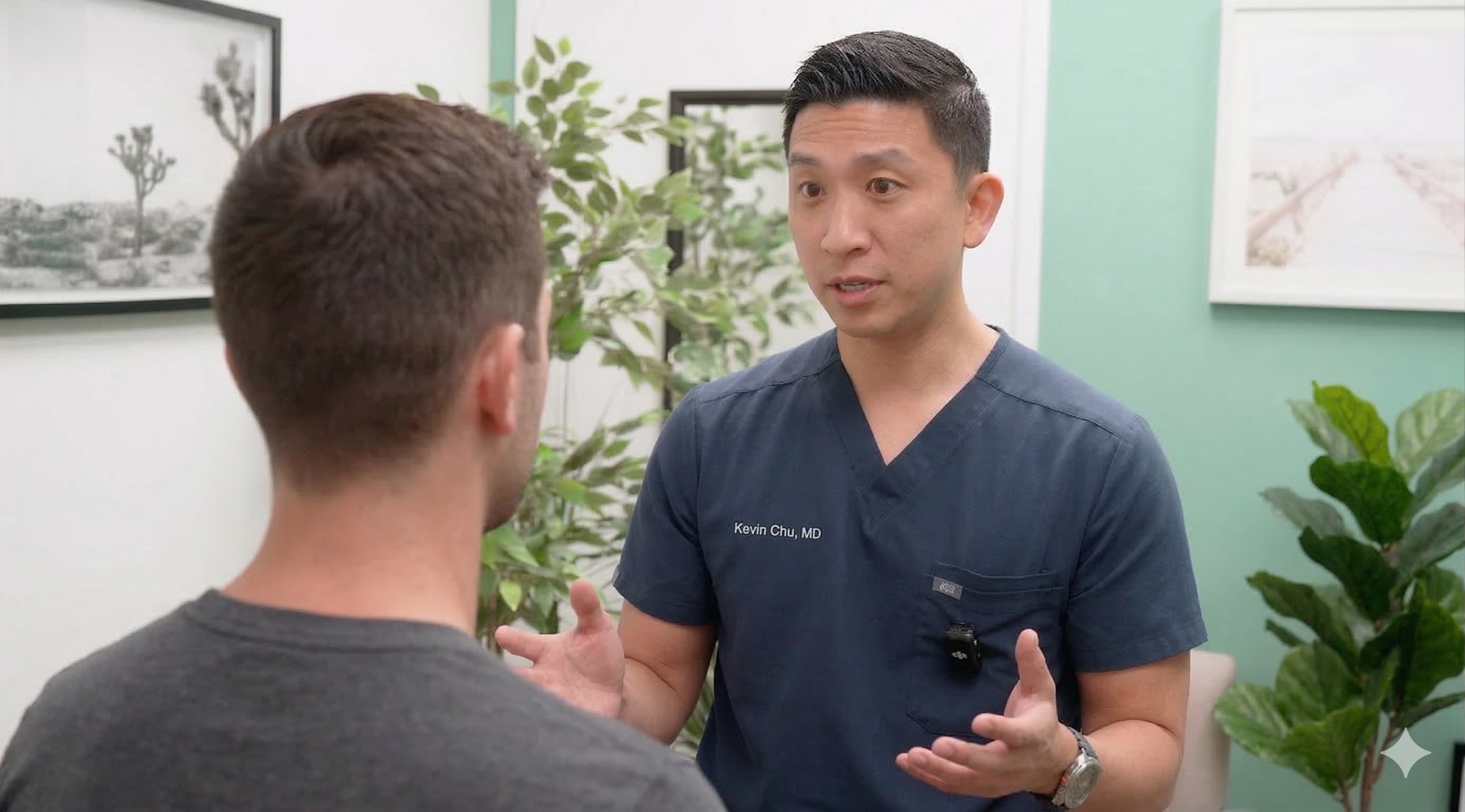
Dr. Chu performs a thorough evaluation to identify the specific cause of your pain and develop a targeted treatment plan. Whether the origin is infectious, structural, vascular, or referred, the goal is relief with the least invasive approach possible.
Answers and Relief for Scrotal Pain
Urgent Signs
When to Seek Immediate Care
Go to the emergency room immediately if you have:
- Sudden, severe testicular pain (possible torsion)
- Rapidly increasing scrotal swelling
- Pain after trauma to the groin
- Nausea or vomiting alongside scrotal pain
Testicular torsion — where the spermatic cord twists and cuts off blood supply — is a surgical emergency. Time is critical: the testicle can be saved in most cases if treated within 4–6 hours of symptom onset.
Causes
Common Causes of Testicular Pain
Epididymitis
Inflammation of the epididymis, usually caused by bacterial infection. One of the most common causes of acute scrotal pain.
Orchitis
Inflammation of the testicle itself, often associated with infection or autoimmune processes.
Varicocele
Enlarged veins in the scrotum that can cause a dull aching or heaviness, often worsened by standing or physical activity.
Spermatocele / Epididymal Cyst
A benign cyst on the epididymis that may cause localized discomfort or pressure.
Hydrocele
Fluid accumulation around the testicle that can cause heaviness or pressure.
Post-Vasectomy Pain Syndrome
Chronic scrotal discomfort that can develop after vasectomy in a small percentage of men.
Inguinal Hernia
A hernia in the groin that can refer pain to the testicle or scrotum.
Referred Pain
Pain originating from the kidney, ureter, hip, or lumbar spine can radiate to the scrotal area.
Diagnosis
How We Evaluate Testicular Pain
History & Physical Exam
A detailed review of your symptoms, onset, and relevant history. Physical examination of the scrotum, testicles, and groin.
Scrotal Ultrasound
The most important imaging test — assesses blood flow, identifies masses, cysts, varicoceles, and hydroceles with high accuracy.
Lab Work
Urinalysis and urine culture to check for infection. STI testing (gonorrhea/chlamydia) when clinically indicated.
Treatment Plan
A targeted plan based on your diagnosis — antibiotics, anti-inflammatories, or referral for surgical intervention when needed.
Treatment
Treatment Options
Antibiotics
For epididymitis or orchitis caused by bacterial infection or STIs. Most cases resolve with a course of oral antibiotics.
Anti-Inflammatory Medications
NSAIDs and scrotal support help reduce inflammation and discomfort in non-infectious cases.
Nerve Block
A spermatic cord nerve block can provide both diagnostic and therapeutic relief for chronic scrotal pain.
Surgical Repair
Structural causes — varicocele, hydrocele, spermatocele — can be addressed with outpatient procedures when conservative management fails.
Microsurgical Denervation
For carefully selected patients with chronic orchalgia that does not respond to other measures, microsurgical denervation of the spermatic cord can provide significant long-term relief.
FAQs
Frequently Asked Questions
When is testicular pain an emergency?
Sudden, severe testicular pain — especially with swelling — should be evaluated immediately in an emergency room. Testicular torsion, a twisting of the spermatic cord that cuts off blood supply, is a surgical emergency requiring treatment within 4–6 hours to save the testicle.
What is chronic testicular pain?
Chronic testicular pain (also called orchalgia) is defined as intermittent or constant scrotal pain lasting 3 months or more that is severe enough to impact daily activities. The cause is not always identified, but effective treatment options exist.
Will I need surgery?
Most cases of testicular pain do not require surgery. Treatment depends on the underlying cause — antibiotics for infection, anti-inflammatories for epididymitis, or targeted procedures for structural causes. Dr. Chu will recommend the least invasive approach appropriate for your situation.
What tests will be done?
Evaluation typically includes a physical exam, scrotal ultrasound (to assess blood flow and identify structural abnormalities), urinalysis, and STI testing when appropriate.
Is testicular pain a sign of cancer?
Testicular cancer most often presents as a painless lump or mass in the testicle rather than pain alone. However, any new scrotal symptom warrants evaluation. An ultrasound can quickly and reliably distinguish cancer from benign causes.
Why Us
Why Choose Dr. Kevin Chu?
- Board-certified, fellowship-trained urologist with expertise in scrotal and testicular conditions
- Comprehensive evaluation from first visit through resolution — acute and chronic cases welcome
- Privacy is a priority — discreet office ensures a comfortable experience
- Free parking and easy scheduling at our Redondo Beach location