Male Fertility
Vasectomy Reversal
Expert microsurgical vasectomy reversal with exceptional success rates — because your family plans matter.
Schedule a ConsultOverview
What is a Vasectomy Reversal?
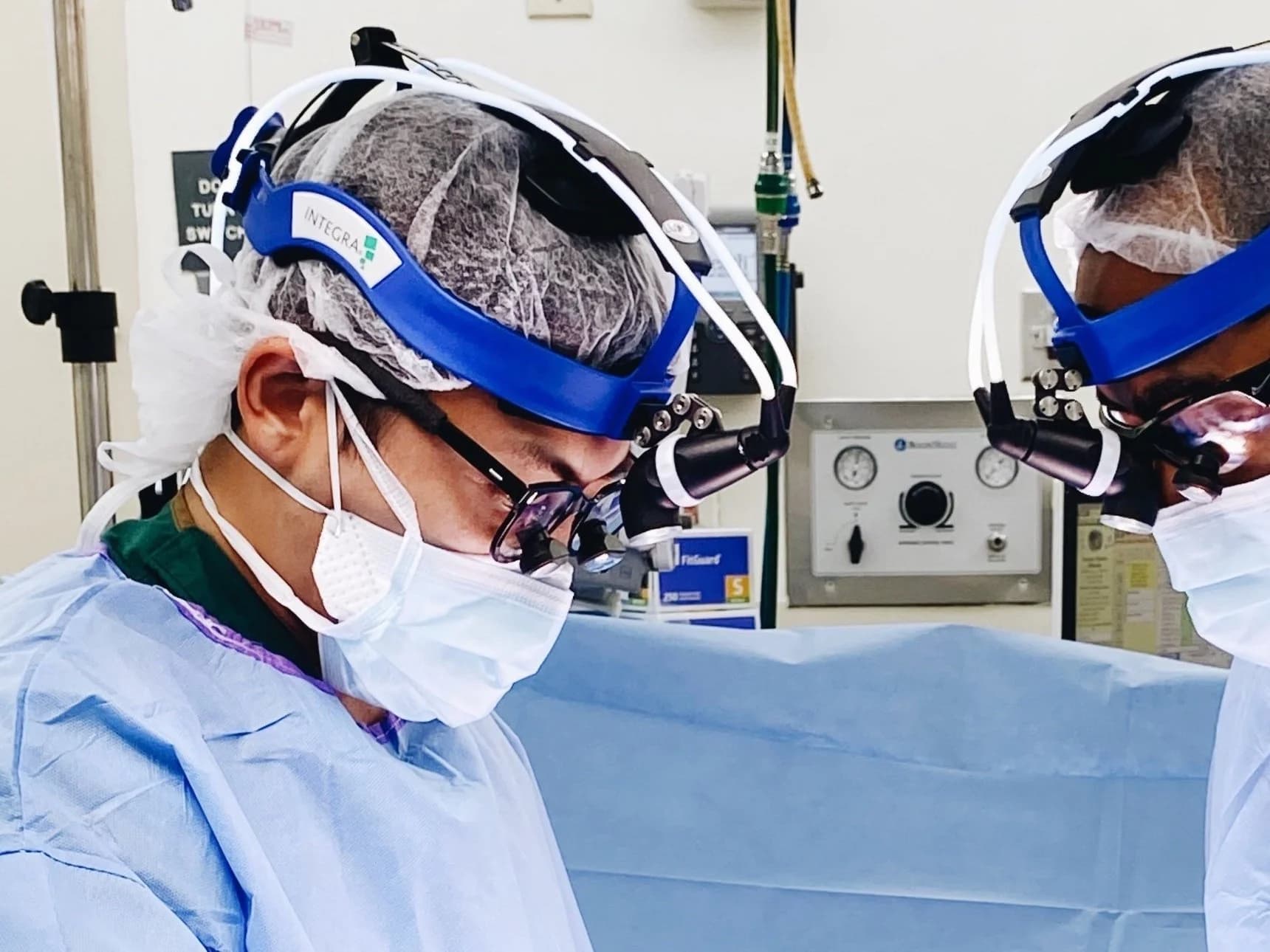
A vasectomy reversal is a microsurgical procedure that restores the pathway for sperm to travel from the testicles back into the semen. During a vasectomy, the vas deferens are cut or blocked — a reversal reconnects these tubes, allowing sperm to mix with semen once again.
Both techniques are performed using an operating microscope with sutures finer than a human hair, requiring a highly specialized microsurgeon.
Vasovasostomy (VV)
Directly reconnects the cut ends of the vas deferens. Used when no blockage is found closer to the testicle.
Vasoepididymostomy (VE)
Connects the vas deferens directly to the epididymis. Used when a secondary blockage is found closer to the testicle.
Restoring Your Fertility Potential
Benefits
Why Choose Vasectomy Reversal?
- Achieve natural conception without relying on IVF or other assisted reproductive techniques
- More cost-effective than multiple IVF cycles if planning more than one child
- Performed by an experienced microsurgeon with years of expertise in fertility restoration
- A safe, effective option for men seeking a second chance at fatherhood
Outcomes
Success Rates
Success depends on factors including the time since your vasectomy and your overall health. Men within 10 years of their vasectomy have a success rate of 95% for restoring sperm flow, with pregnancy success rates ranging from 30–70%.
Process
What to Expect
Consultation
We evaluate your health, surgical history, time since vasectomy, and fertility goals to determine the best approach.
Procedure
Performed at a surgery center under general anesthesia. The vas deferens is reconnected under high magnification for optimal precision.
Recovery
Most patients return to light activities within 1–2 days. Avoid heavy lifting and sexual activity for 2–3 weeks.
Follow-Up
Fertility is monitored through semen analyses starting around six weeks post-procedure.
FAQs
Frequently Asked Questions
How successful is vasectomy reversal?
Men within 10 years of their vasectomy have a 95% success rate in restoring sperm flow. Pregnancy success rates range between 30–70% depending on several factors.
Can I father children if my vasectomy was over 15 years ago?
Yes, though success rates decrease over time. Outcomes depend on factors like scar tissue formation and overall health, which are assessed at your consultation.
How is the procedure performed?
Under general anesthesia or sedation using advanced microsurgical techniques and high-powered magnification — with sutures finer than a human hair.
How long does the procedure take?
Typically 2–4 hours depending on complexity. You rest in a recovery area before going home the same day.
What is recovery like?
Most patients return to light activities within 1–2 days and normal routines within a week. Avoid heavy lifting, vigorous exercise, and sexual activity for at least 2–3 weeks.
Will insurance cover it?
Most plans do not cover vasectomy reversal as it is considered elective. Flexible payment and financing options are available.
Are there alternatives?
Yes — sperm retrieval combined with IVF. However, reversal allows for natural conception and avoids the ongoing cost and complexity of IVF cycles.
How soon can we try to conceive?
Wait 2–3 weeks before resuming sexual activity. Sperm may take weeks to months to appear in semen — a follow-up semen analysis will confirm timing.
What if the reversal does not work?
Sperm retrieval combined with IVF/ICSI can still enable conception if the reversal is unsuccessful.
Why Us
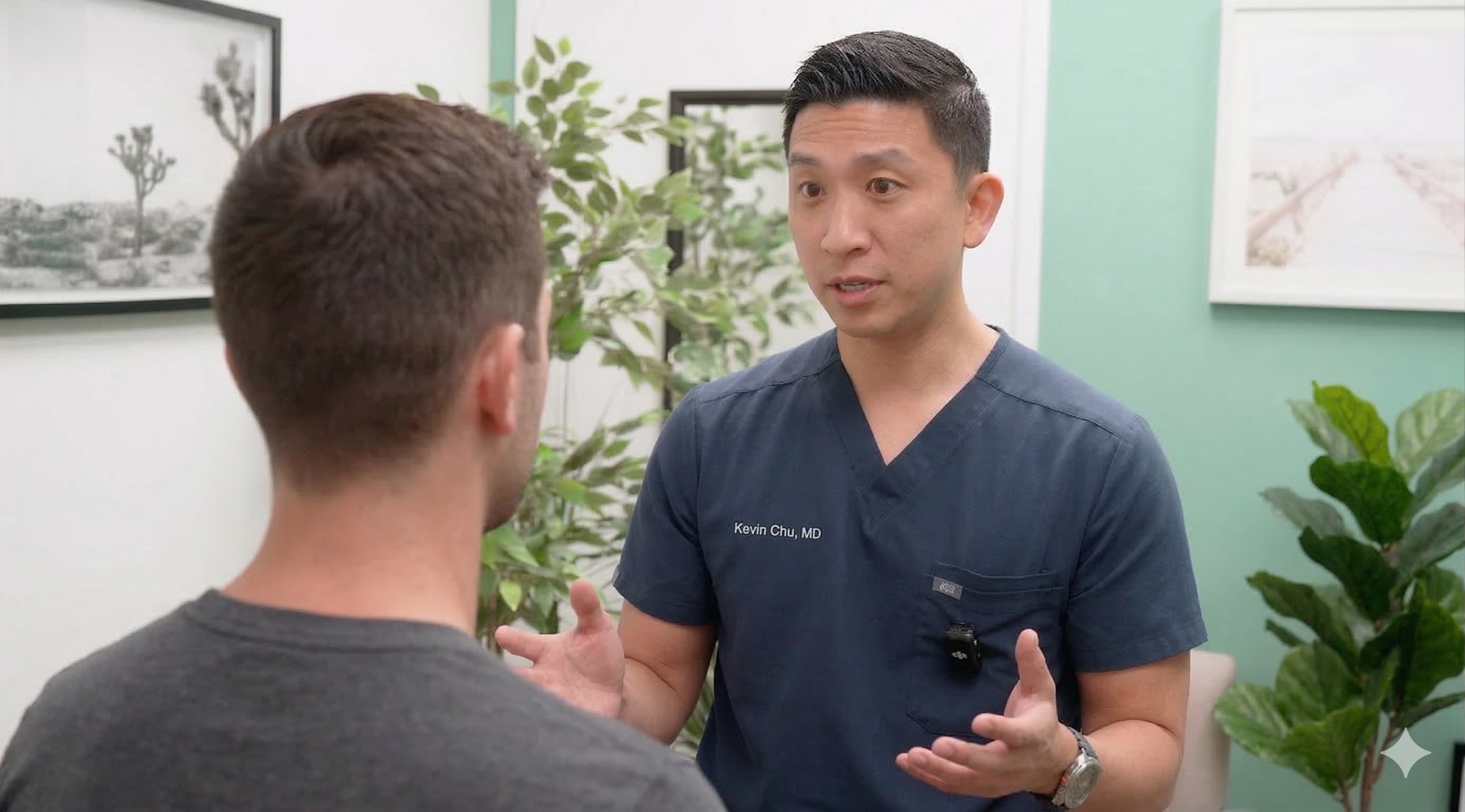
Why Choose Dr. Kevin Chu?
- Board-certified, fellowship-trained urologist and microsurgeon with years of experience in male fertility restoration
- Specializing in modern, minimally invasive microsurgical techniques
- Privacy is a priority — discreet office ensures a comfortable experience
- Free parking and easy scheduling at our Redondo Beach location