Male Fertility
Male Infertility
Male factors contribute to nearly 40–50% of infertility cases — and many causes are diagnosable and treatable.
Schedule a ConsultOverview
Understanding Male Infertility
Infertility is defined as the inability to conceive after 12 months of regular, unprotected intercourse. While often viewed as a female issue, male factors contribute to nearly 40–50% of all infertility cases.
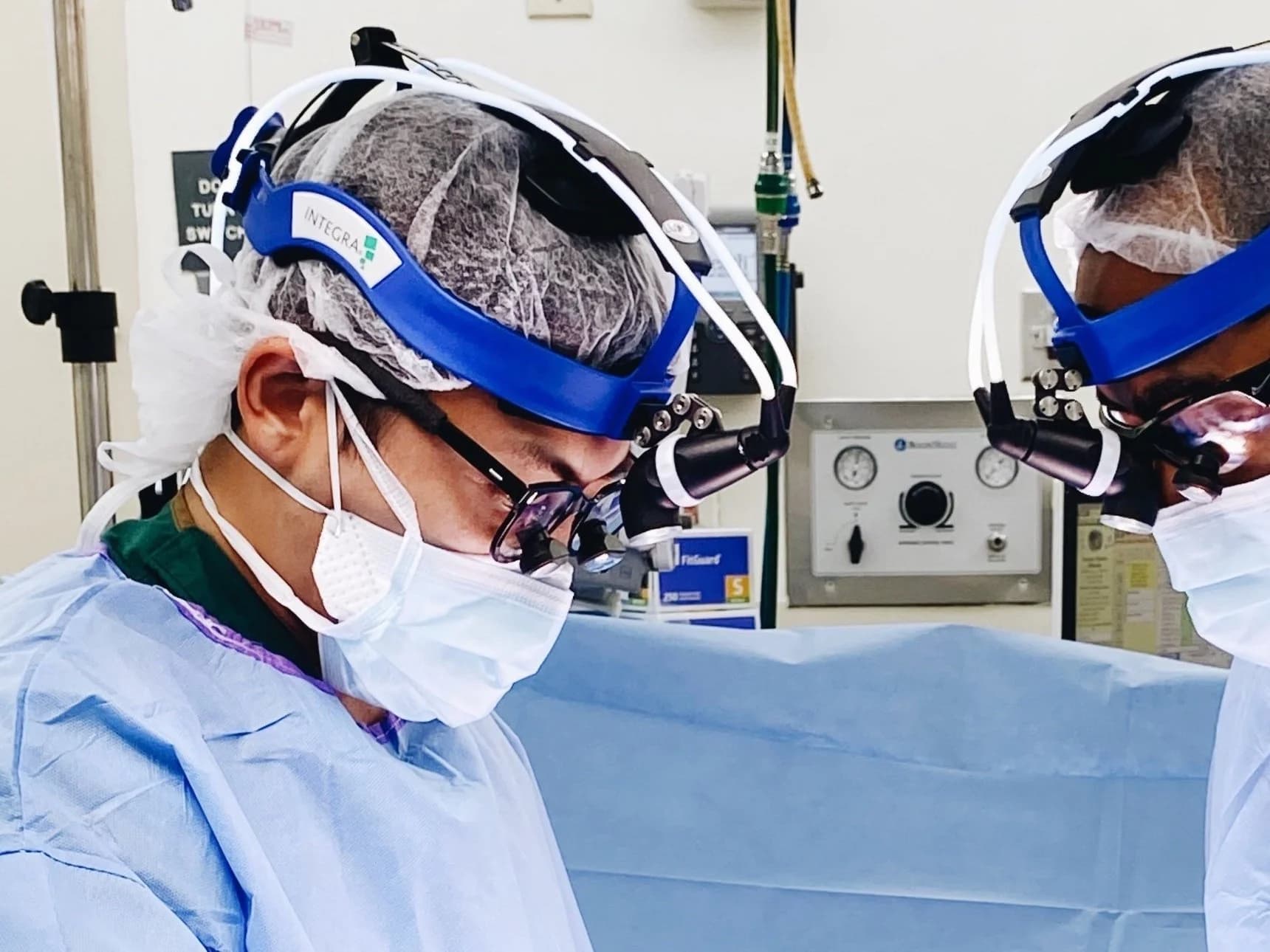
Dr. Chu is strongly passionate about treating male infertility. As a board-certified, fellowship-trained reproductive urologist, he offers comprehensive evaluation and a full range of treatment options — from lifestyle modification to advanced microsurgery.
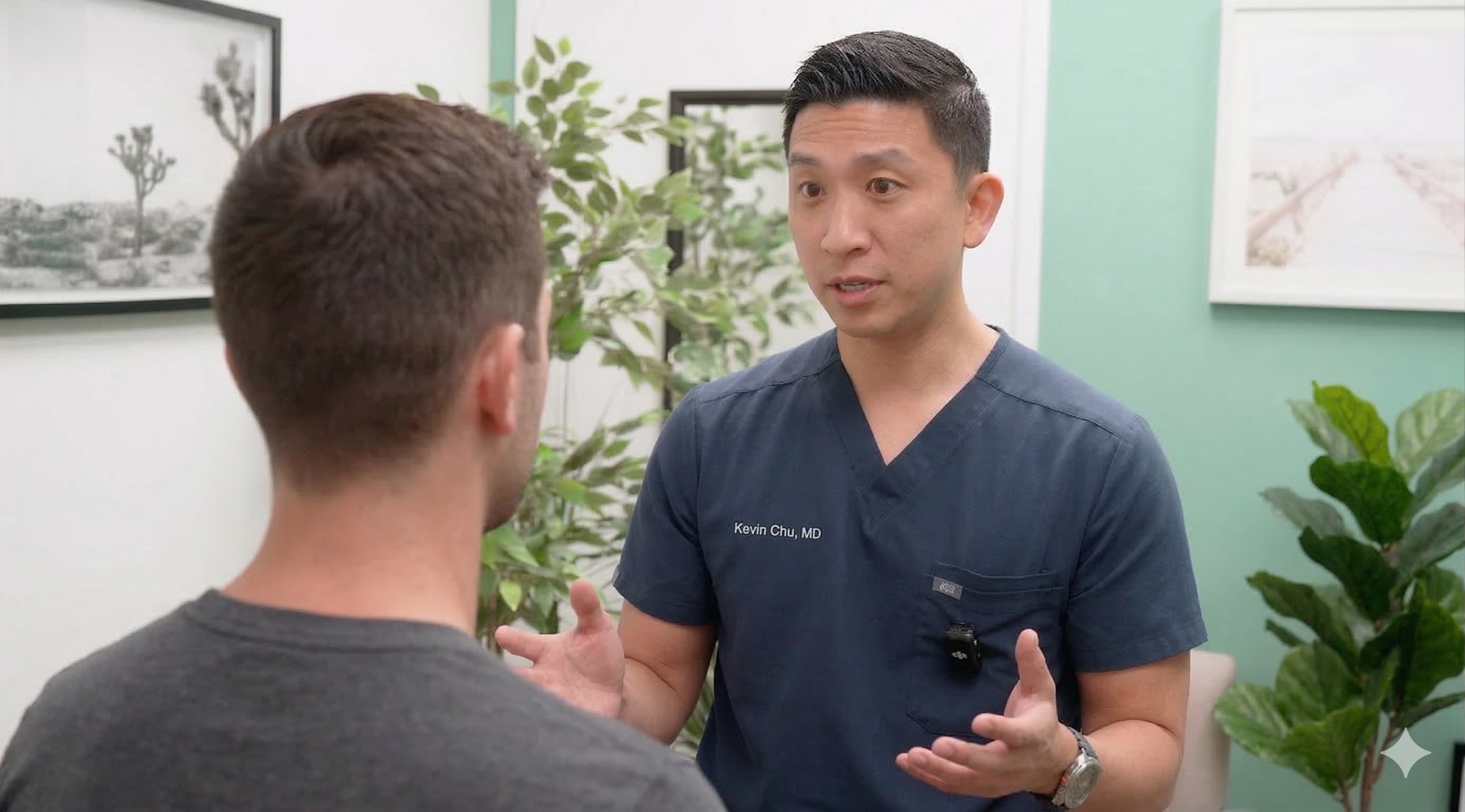
Answers and Solutions for Male Infertility
Causes
What Causes Male Infertility?
Hormonal Factors
Low testosterone, pituitary or thyroid dysfunction affecting sperm production.
Anatomical Conditions
Varicoceles, prior vasectomy, blockages in the reproductive tract.
Medical Conditions
Diabetes, infections such as mumps orchitis, and other systemic illnesses.
Genetic Causes
Chromosomal abnormalities, Y chromosome microdeletions affecting sperm production.
Lifestyle Factors
Obesity, tobacco use, alcohol, anabolic steroids, and excessive heat exposure.
Medications & Prior Treatments
Chemotherapy, radiation therapy, and certain pelvic surgeries.
Symptoms
Signs to Watch For
Most men with infertility experience no noticeable symptoms beyond difficulty conceiving. Potential indicators include:
- Testicular pain or swelling
- Decreased libido or erectile dysfunction
- History of undescended testicles or testicular surgery
- Abnormal hair growth or breast enlargement
- Prior chemotherapy or radiation treatment
Diagnosis
How We Evaluate
The evaluation begins with a thorough medical history and physical examination, followed by targeted testing:
Semen Analysis
Assesses sperm count, motility, and morphology.
Hormonal Testing
Testosterone, FSH, LH, and estradiol levels.
Imaging
Scrotal ultrasound and transrectal ultrasound as indicated.
Genetic Testing
For severe low sperm counts or azoospermia.
Treatments
Treatment Options
Lifestyle Modification
Smoking cessation, weight loss, improved sleep, and heat avoidance can meaningfully improve sperm parameters.
Medical Therapy
Hormone replacement, sperm-stimulating medications, and antibiotics for infection-related causes.
Varicocelectomy
Microsurgical repair of varicoceles to improve sperm quality and overall fertility.
Vasectomy Reversal
Microsurgical reconnection of the vas deferens for men who previously had a vasectomy.
Sperm Retrieval
PESA, TESA, TESE, and micro-TESE for men with very low or absent sperm counts.
Assisted Reproductive Technologies
IUI, IVF, and ICSI in coordination with your fertility team.
With modern techniques, even men with very low or absent sperm counts often have options for biological parenthood.
When to Seek Care
When to See a Specialist
- Unable to conceive after 12 months (6 months if partner is over 35)
- History of undescended testis, trauma, pelvic surgery, or cancer treatment
- Abnormal semen analysis results
- Symptoms of erectile dysfunction, low testosterone, or testicular changes
Why Us
Why Choose Dr. Kevin Chu?
- Board-certified, fellowship-trained reproductive urologist with deep expertise in male infertility
- Comprehensive evaluation from lifestyle counseling through advanced microsurgery — all under one roof
- Privacy is a priority — discreet office ensures a comfortable experience
- Free parking and easy scheduling at our Redondo Beach location