
General Urology
Kidney Stones
Expert, minimally invasive solutions to relieve pain, remove stones, and prevent future recurrence — whether it's your first stone or a recurring problem.
Schedule a ConsultOverview
What are Kidney Stones?
Kidney stones are hard mineral deposits that form in the kidneys and can cause intense pain when passing through the urinary tract. They affect 1 in 10 people in their lifetime — and once you've had one, the risk of another is significantly elevated.
Stones vary in size from tiny grains of sand to larger masses that can block urine flow. When a stone moves from the kidney into the ureter, it causes sharp, cramping pain — often referred to as renal colic — that can be among the most severe pain a person experiences.
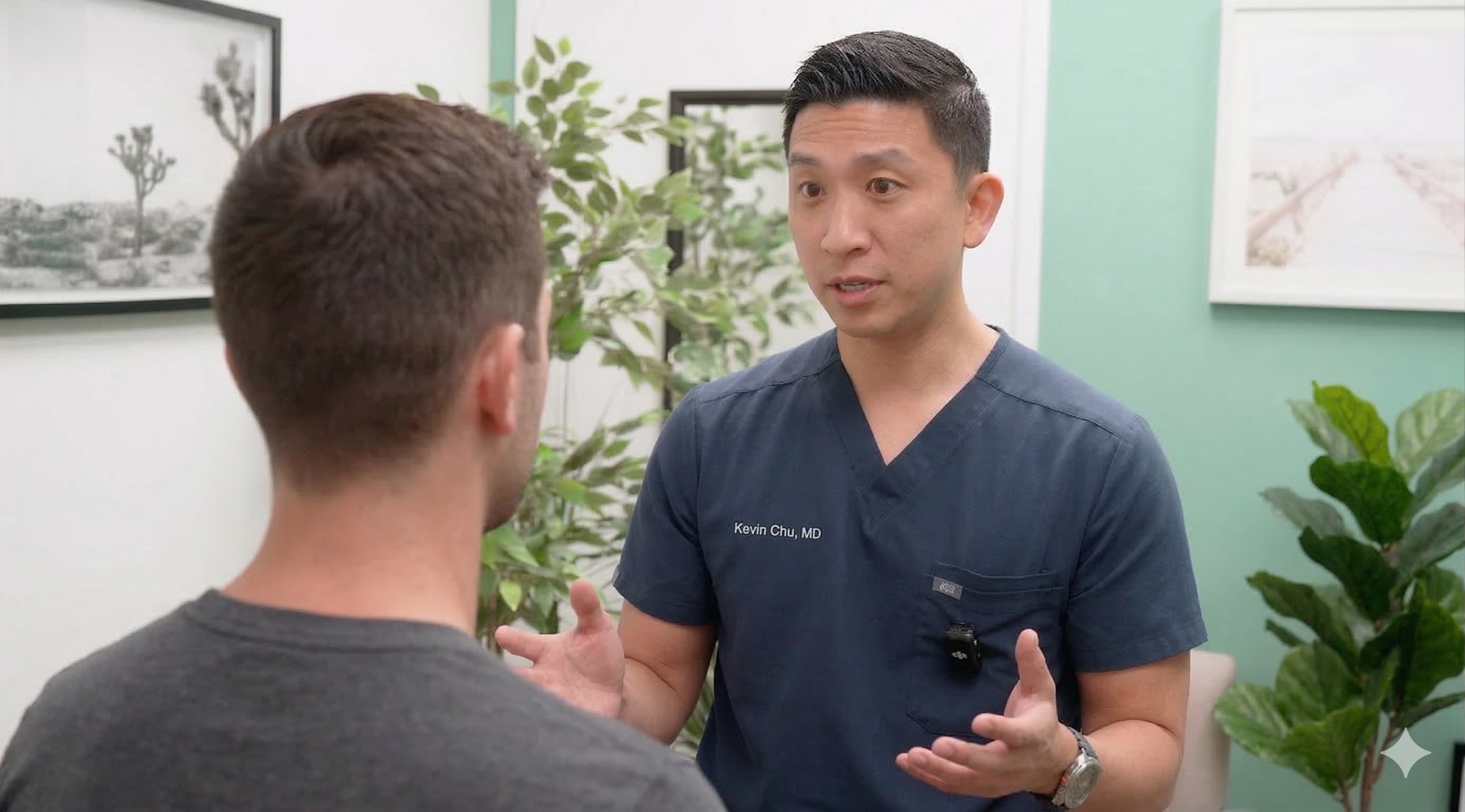
Relief from Kidney Stone Pain
Symptoms
Signs & Symptoms
- Severe flank or lower back pain, often coming in waves
- Blood in the urine (pink, red, or brown discoloration)
- Nausea or vomiting
- Urinary urgency or frequency
- Pain that radiates to the groin or lower abdomen
- Difficulty urinating or reduced urine output
Types
Types of Kidney Stones
Calcium Oxalate
The most common type — formed when calcium combines with oxalate in the urine.
Uric Acid
Often associated with a high-protein diet, gout, or chronic dehydration.
Struvite
Infection-related stones that can grow quickly and become quite large.
Cystine
Rare, genetically inherited stones caused by excess cystine in the urine.
Treatments
Treatment Options
Conservative Management
Small stones (under 5mm) can often pass on their own with increased hydration, pain control, and medications to relax the ureter (alpha-blockers).
Ureteroscopy with Laser Lithotripsy
A thin, flexible camera is passed through the urethra and bladder into the ureter. A laser breaks the stone into small fragments that can be removed or pass naturally. The most commonly performed procedure for ureteral and kidney stones.
Ureteral Stent Placement
A temporary stent may be placed in the ureter to maintain urine flow and allow healing after stone removal.
Stone Prevention Plan
A 24-hour urine collection identifies specific metabolic risk factors. Dietary modifications and targeted medications can significantly reduce the risk of future stones.
Process
What to Expect
Consultation
We evaluate your symptoms, medical history, and prior stone episodes to determine the best approach.
Diagnostic Imaging
CT scan or ultrasound to identify the stone's size and location, along with blood and urine tests.
Personalized Treatment Plan
A targeted approach based on stone size, type, and location — from watchful waiting to minimally invasive surgery.
Prevention & Follow-Up
Stone analysis and metabolic workup to reduce the risk of recurrence.
FAQs
Frequently Asked Questions
How do I know if I have a kidney stone?
Common symptoms include severe flank or lower back pain (often coming in waves), blood in the urine, nausea, and urinary urgency. A CT scan is the most accurate way to confirm the diagnosis.
Will my stone pass on its own?
Small stones (under 5mm) often pass with hydration and pain management. Stones larger than 7–10mm typically require intervention. Dr. Chu will evaluate your specific stone and advise accordingly.
What is ureteroscopy?
Ureteroscopy involves passing a thin, flexible camera through the urethra and bladder into the ureter. A laser is used to break the stone into small fragments that can then pass naturally or be removed.
How long is recovery after ureteroscopy?
Most patients go home the same day. Mild discomfort or urinary irritation is common for a few days. A temporary ureteral stent may be placed to allow healing, which is removed in office a few days later.
How can I prevent future stones?
The most important step is staying well hydrated (2–3 liters of water per day). Dietary modifications, depending on the stone type, can also help significantly. A 24-hour urine collection test helps identify specific metabolic risk factors.
Is treatment covered by insurance?
Yes — kidney stone treatment is generally covered by insurance. Our team will verify your benefits prior to your procedure.
Why Us
Why Choose Dr. Kevin Chu?
- Board-certified, fellowship-trained urologist with expertise in minimally invasive stone management
- Comprehensive care from acute treatment through long-term prevention
- Privacy is a priority — discreet office ensures a comfortable experience
- Free parking and easy scheduling at our Redondo Beach location